
Create a Wallet
Start with the purpose of a wallet, understand what recovery data controls, and separate wallet creation from any third-party website request.
Learn more →Understand multi-chain assets, choose the correct network, receive and send with verifiable details, connect to DApps deliberately, review approvals, and build stronger wallet security habits through practical network knowledge.
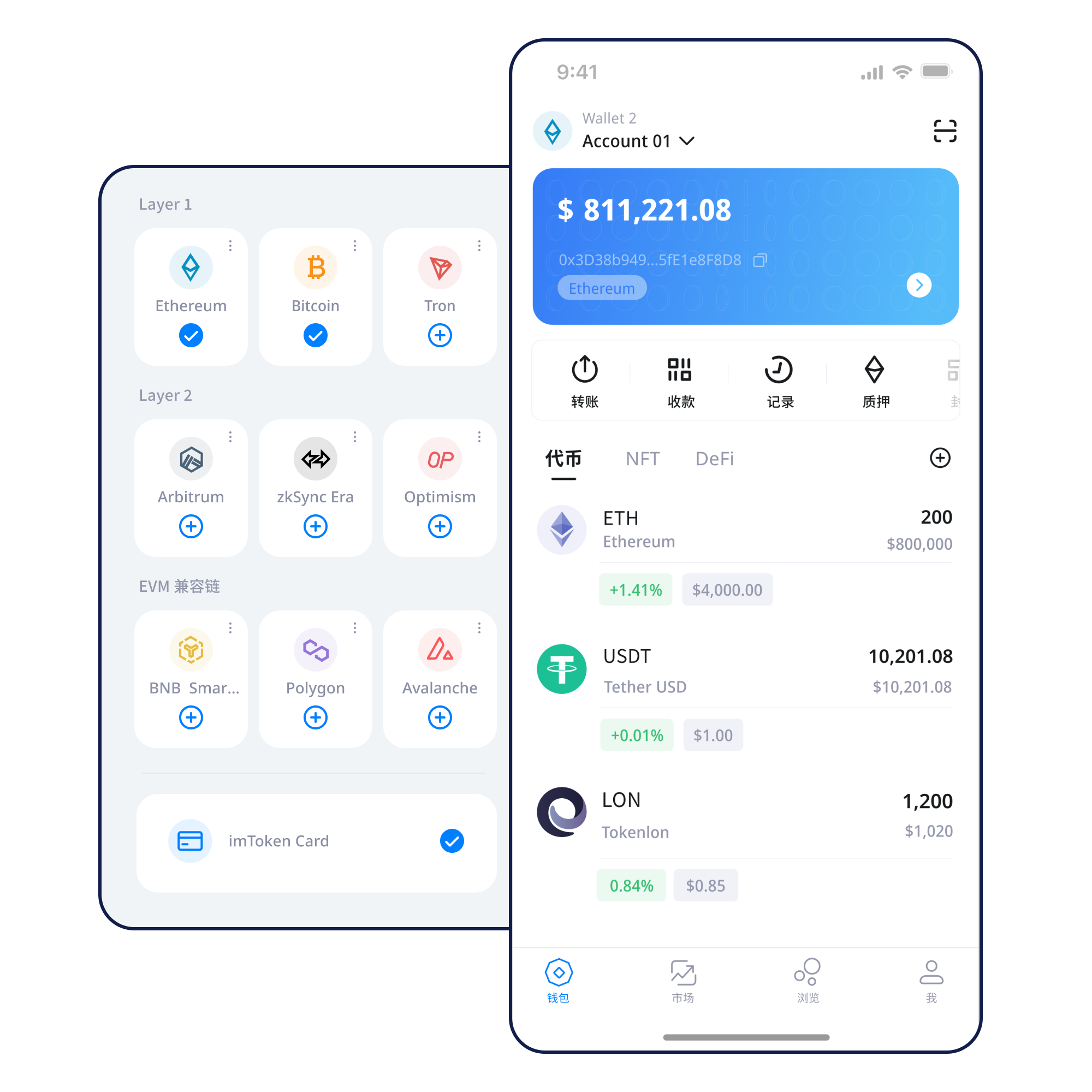
Each task points to a specific workflow rather than a generic feature list.
Start with the purpose of a wallet, understand what recovery data controls, and separate wallet creation from any third-party website request.
Learn more →Keep seed phrases and private keys offline in a controlled place. Avoid screenshots, cloud notes and sharing with support personnel.
Learn more →Verify the receiving address and network together. An address alone is not enough to determine whether a transfer route is correct.
Learn more →Check the recipient, network, amount and fee before confirming, then keep the transaction hash for independent verification.
Learn more →Verify the domain, review the account request, inspect each signature or token approval separately, and disconnect when no longer needed.
Learn more →Use network context to interpret balances instead of treating the same address format as proof that networks are interchangeable.
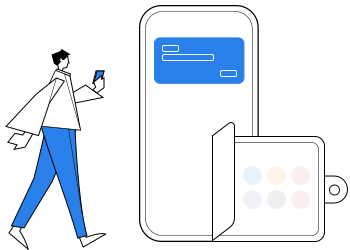
Receiving depends on both an address and a network. Sending also requires fee awareness, amount checks and a transaction record.
A mobile view for asset monitoring, network selection, transaction records and deliberate access to Web3 interactions.
Browser-oriented connection knowledge focused on account requests, approvals and disconnecting sessions you no longer use.
Recovery secrets stay with the user. Review request origin, permission scope, address and network before confirming.
Networks can share concepts while keeping separate state, fees and confirmation rules.
A useful way to understand Multi-chain is to map the objects involved before taking action. With network differences, distinguish what a wallet interface displays from the state recorded by the network. With network choice, confirm which chain the request belongs to, which address is involved and what network fee may apply. imtoken emphasizes information that can be checked independently. Before sending, signing or approving, identify the object, network and purpose of the request instead of relying on a single button label.
Nodes, blocks and consensus create a public record that can be checked with an explorer.
In day-to-day use, network choice often determines whether an action can be interpreted correctly. Treat transaction status as an audit trail: status, transaction hash, block height or contract address can show whether a request was broadcast, confirmed or is still pending. network risks deserves extra scrutiny because third-party interfaces, smart contracts and network conditions can change. Review the relevant fields one by one and retain enough on-chain information to verify the outcome outside the original page.
EVM-compatible networks can use familiar address formats while remaining distinct chains with separate gas and contracts.
EVM is also about habits that remain useful over time. Periodically reviewing network differences can reveal network, balance or permission changes, while keeping track of transaction status makes later troubleshooting easier. A wallet normally cannot unilaterally reverse a transaction that the network has already confirmed, and external DApps or smart contracts can introduce their own risks. Good guidance therefore explains conditions, evidence and recovery options rather than presenting any step as completely risk-free.
Layer 2 systems scale activity in relation to a base layer; bridging and withdrawal behavior can vary.
Security boundaries matter when dealing with network risks. Seed phrases, private keys and verification codes are recovery or authentication secrets and should never be requested through an ordinary web page. For actions involving network choice and transaction status, focus on the address, network, amount, contract recipient and permission scope. If the source looks suspicious, the domain does not match expectations, a permission is broader than necessary or the device environment is not trusted, stop and verify before continuing.
Fees and confirmation depth depend on network conditions, transaction type and the chain being used.
The goal of learning Gas & confirmations is independent judgment. A practical sequence is to define the purpose, verify network differences, check network choice, use transaction status or other on-chain records to confirm the result, and then consider any ongoing effect related to network risks. This process cannot remove every form of risk, but it reduces common errors caused by network confusion, skipped details and excessive permissions. Consistent verification is more dependable than trusting any single interface cue.
Use the official download entry and begin from a known source.
Understand whether you are creating new recovery data or restoring an existing wallet.
Keep seed phrases private and offline; never send them to anyone.
Match the network used by both the sender and receiver before moving assets.
Check address, amount, fee and expected destination before confirming.
Use transaction hashes for verification and periodically review permissions you no longer need.
Connecting a wallet does not mean every later request should be accepted. Treat each signature and approval as a separate decision.
Treat this as a separate decision and verify the request before continuing.
Treat this as a separate decision and verify the request before continuing.
Treat this as a separate decision and verify the request before continuing.
Treat this as a separate decision and verify the request before continuing.
Treat this as a separate decision and verify the request before continuing.
Treat this as a separate decision and verify the request before continuing.
Treat this as a separate decision and verify the request before continuing.
Keep seed phrases and private keys under your own control. Verify addresses, networks and amounts before transfers; inspect DApp permissions and signature requests; avoid public computers and untrusted remote-control sessions. On-chain transactions are usually not reversible by a wallet after confirmation, so prevention and independent verification matter.
Open Security Center →Start with addresses, seed phrases, private keys, networks, gas and transaction hashes. Then learn how DApps request account connections, how signatures differ from token approvals, and why each permission deserves its own review.
Read the starter guide →A focused explanation with practical checks and no invented popularity metrics.
A focused explanation with practical checks and no invented popularity metrics.
A focused explanation with practical checks and no invented popularity metrics.
A focused explanation with practical checks and no invented popularity metrics.
A focused explanation with practical checks and no invented popularity metrics.
A focused explanation with practical checks and no invented popularity metrics.
Learn how Ethereum PoS, validators, reward sources, network status, withdrawals and exits relate. Rewards are not guaranteed and can change over time.
Learn about staking →Validator penalties, smart-contract risk, exit queues, digital asset price volatility and third-party service risk can all affect outcomes.
Read about validators →Wallet and network guidance is organized around tasks so users can find the right checks faster.
Always match the network used by the sender and receiver before moving assets.
Do not send seed phrases, private keys or verification codes to anyone.
Staking guidance explains variable rewards, waiting periods and validator risk without guaranteed-return claims.
No. You should keep recovery secrets yourself and never send them to anyone or enter them into an ordinary web page.
At minimum, verify the recipient address, destination network and amount. For tokens, also confirm the token contract and expected network fee.
Gas is the network resource pricing mechanism used for on-chain transactions and contract calls. Cost varies with network conditions and operation complexity.
A transaction hash is a unique lookup reference that can be used in a block explorer to check status, block data and related addresses.
Not necessarily. Account connection, message signing, transaction signing and token approvals are separate requests and should be reviewed separately.
Permissions can remain active after you stop using a DApp. Reviewing the spender and allowance helps you identify approvals you may want to revoke.
No. Similar address formats do not mean the networks are interchangeable. Confirm both sides support the same network and asset.
Layer 2 systems extend base-layer capacity using different mechanisms. Bridging, confirmation and fee behavior can vary by network.
The download page handles device-specific behavior. Content pages never auto-trigger downloads.